- Home
- About Us
About the business
A supply business built on one component, understood properly
Seat Belt Distributor exists to make sourcing seat belts and restraint components straightforward — by knowing the product family well enough to ask the right questions before anything is ordered.
01 — Business identity
What we actually are
A distributor, not a manufacturer — and that distinction shapes everything about how we work.
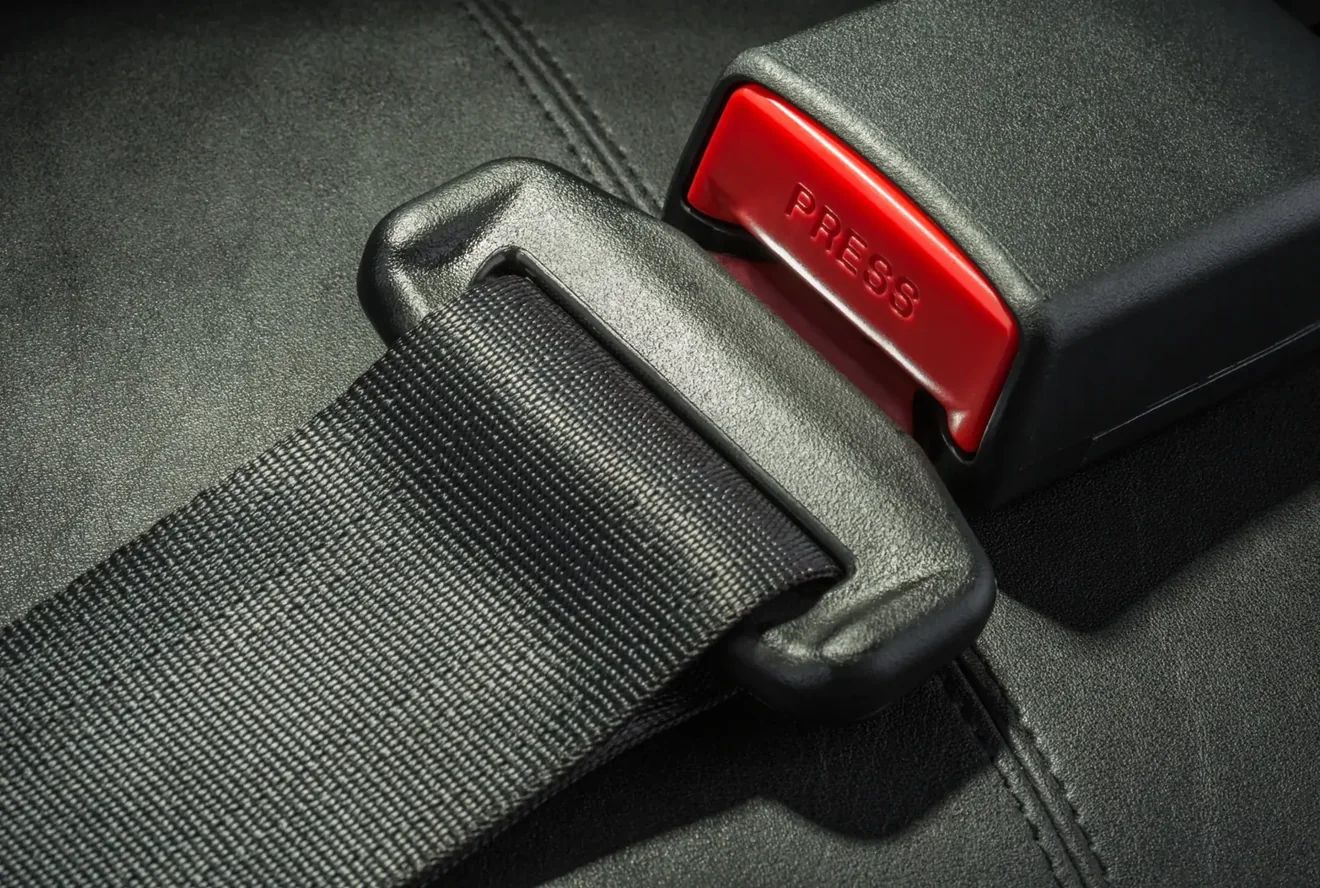
Seat Belt Distributor is a distribution and supply business working within a single product family: automotive seat belts and the components that make up a vehicle restraint system. We source and supply belts, retractor assemblies, buckles, receivers, latch plates and the associated anchorage hardware, and we supply them to the people who fit and use them.
We are a distributor rather than a manufacturer. That matters, and we would rather be direct about it than imply capabilities we do not have. It means our value is in sourcing, identification and matching — understanding what a particular vehicle and seating position requires, finding a product that meets it, and getting that product to you. Where a question properly belongs with a manufacturer or a qualified technician, we will say so.
Why the focus is narrow on purpose
There is a version of this business that carries seat belts alongside mirrors, wipers, filters and trim. It is a perfectly reasonable business, but it produces a particular kind of conversation: the customer is expected to arrive already knowing the part number, and the supplier's role is to fulfil it.
Seat belts do not reward that model. Fitment depends on anchorage geometry, stalk length, webbing length, latch plate profile, retractor behaviour and bolt specification, and none of those are visible in a photograph of a belt. Customers frequently arrive knowing the vehicle and the symptom — "the rear belt on our van will not retract" — rather than a part number. A narrow catalogue is what makes it possible to work forward from that.
Who we supply
Our customers fall into four broad groups, and each brings a different kind of enquiry:
- Individual vehicle owners replacing a single belt that is worn, damaged or no longer working properly.
- Independent workshops and garages handling replacement work as part of routine repair and servicing, often against a customer's deadline.
- Body builders, converters and specialty vehicle builders specifying restraints as part of a build rather than replacing an existing installation.
- Fleet operators and resellers with repeat or volume requirements, where consistency across a batch matters as much as the individual part.
02 — How we work
Our approach to sourcing and supply
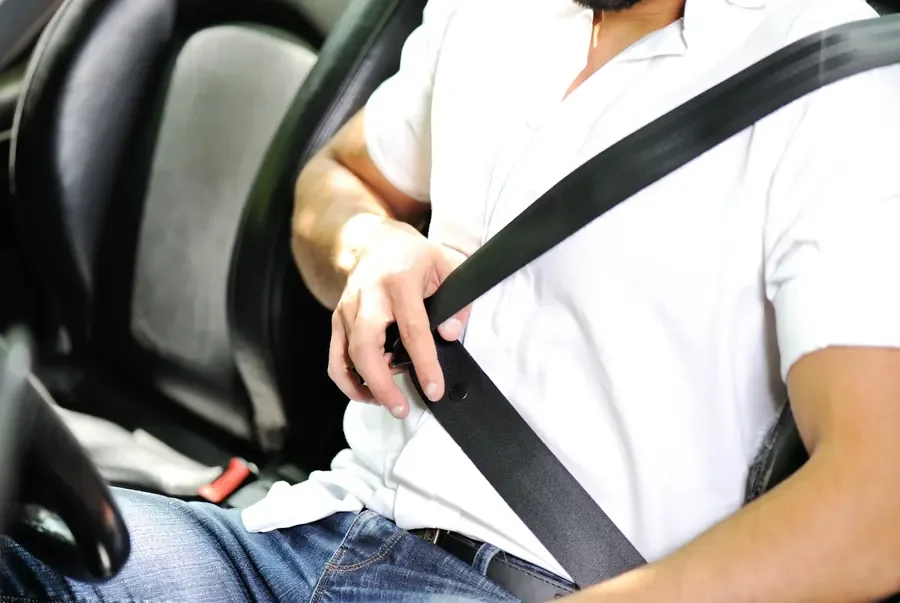
Four principles that decide how an enquiry is handled, from a one-off replacement through to a repeat fleet requirement.
-
Identification before sourcing
No product is proposed until we understand the vehicle, the seat position and the configuration. Photographs, measurements and any part markings are worth far more at this stage than a general description, and asking for them early prevents the wrong part being shipped.
-
Matching to the application, not the picture
Visual similarity between two belts means very little. We work from the characteristics that determine fitment — mounting arrangement, hardware specification, webbing length, latch and buckle geometry — rather than from appearance.
-
Consistency across a batch
For volume requirements, the specification has to hold across the whole order. A batch that arrives as a mix of near-equivalents creates maintenance problems later, so we treat consistency as part of the requirement rather than a bonus.
-
Clear limits on what we can confirm
Where suitability, compliance or fitment for a specific vehicle needs to be verified against the vehicle itself or by a qualified technician, we will tell you that plainly. On a safety-critical component, an honest "this needs checking" is worth more than a confident guess.
03 — Understanding the application
Different vehicles ask different things of the same component
A belt specification that is entirely correct for a private car can be the wrong choice for a shift-worked commercial vehicle. These are the differences that come up most.
Passenger vehicles
Predominantly three-point retractable belts, replaced because of wear, damage, age or a retractor that has stopped working cleanly. The vehicle is usually well documented, so identification is comparatively straightforward once the make, model, year and seat position are known.
Commercial and goods vehicles
Far higher duty cycles, dustier and wetter operating environments, and cab layouts that vary considerably between body builders even on a shared chassis. Two vehicles with the same badge can carry different restraint arrangements, so the build rather than the badge often decides the part.
Fleet operations
The unit of the problem is the fleet, not the vehicle. Consistency, repeatability and predictable resupply matter, and a mixed fleet almost always needs to be broken into groups before anything is quoted.
Specialty and converted vehicles
Seating that has been added, relocated or built to order will not necessarily use the restraint the base vehicle shipped with. These enquiries need the most detail and the most caution, and they are where confirming against the actual installation matters most.
04 — What we commit to
Selecting the right restraint is the whole job
A seat belt that is nearly right is not a partial success. It is the wrong part, in a position where being wrong carries real consequences.
That is the reasoning behind how we handle enquiries. We would rather ask two more questions and lose a little time than ship something that has to come back — or worse, something that gets fitted and should not have been. Where a requirement sits outside what we can supply or confirm, we say so directly.
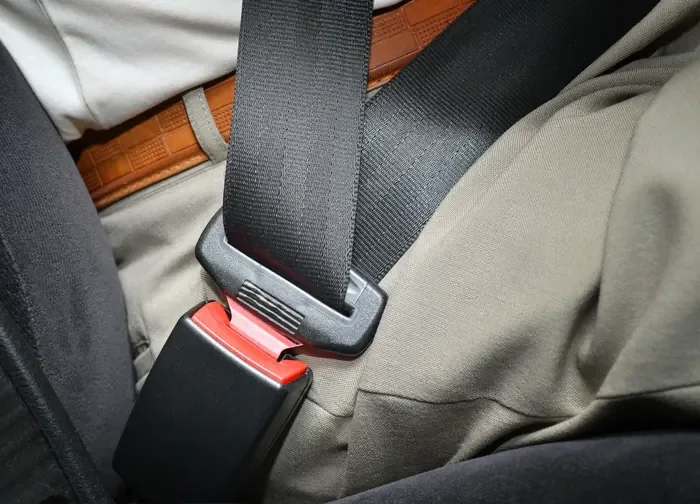
Practically, this means a few consistent commitments. We respond to enquiries with specific information rather than a generic catalogue. We tell you what we still need in order to be certain. We flag when something should be verified by a qualified technician. And we stay reachable after an order, because fitment questions have a habit of arriving at the point of installation rather than the point of purchase.
05 — The short version
Focused catalogue. Direct contact. Honest answers.
If you take one thing from this page: tell us the vehicle and the seat position, and we will do the work of establishing what fits.

Next step
Start with the vehicle
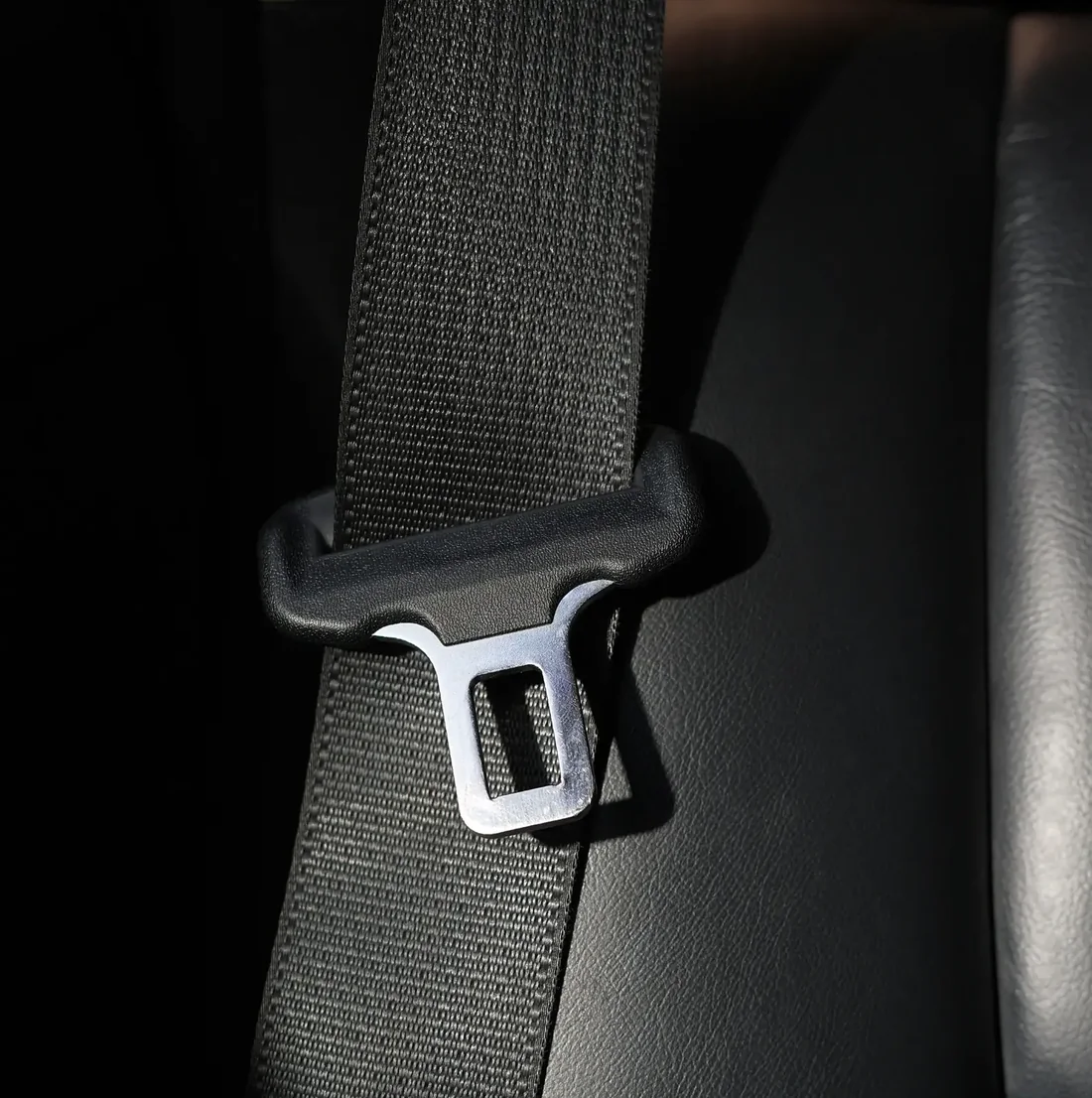
Send the make, model, year and seat position, along with photographs of the existing belt if you have them. That is usually enough for us to come back with something useful.
Share the vehicle, the seat position and the belt configuration you are replacing or specifying, and we will come back with the options that fit.