- Home
- Products
Product catalogue
Six categories, covering the ordinary and the awkward
Each category below has its own page setting out typical applications, the considerations that decide selection, and the information we need in order to match a product to your vehicle.
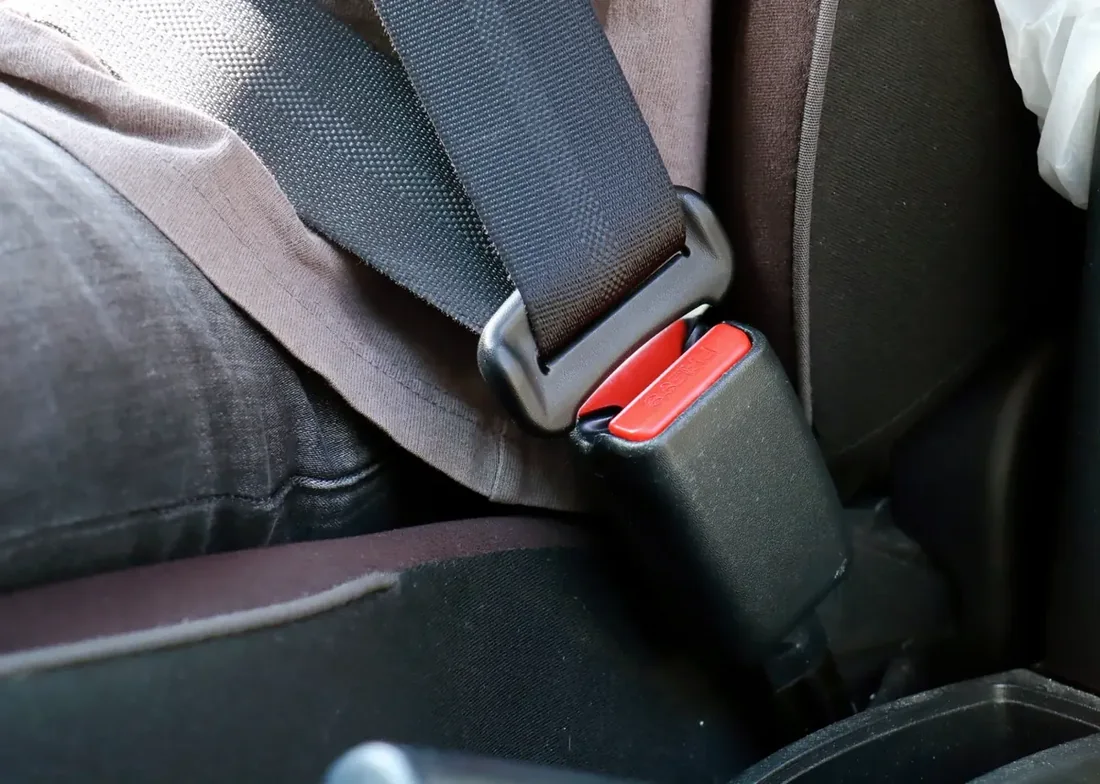
How this is organised
By configuration, not by vehicle badge
Organising a seat belt catalogue by vehicle make would suggest a level of universal coverage that no distributor honestly has. Organising it by configuration is more useful, because configuration is what you can identify by looking at the vehicle.
So start from what you can see: how many anchorage points the belt has, whether it retracts, and whether you need the whole assembly or a single component. From there, tell us the vehicle and the seat position and we will work forward. If you are not sure which category applies, the buying guide walks through identifying it, and the enquiry form is a perfectly good place to start with a photograph.
The categories
What we supply
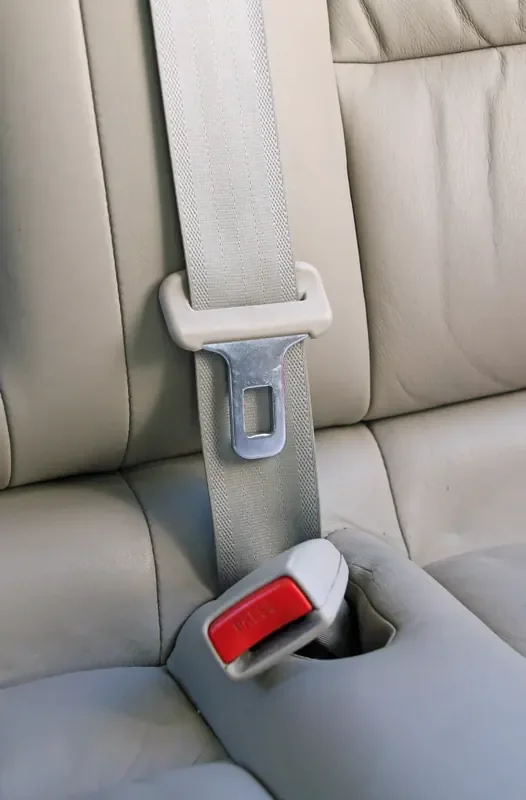
Three-Point Seat Belts
Diagonal shoulder section plus lap section, anchored at three points. The standard occupant restraint in modern passenger vehicles and the most frequently requested category.
View category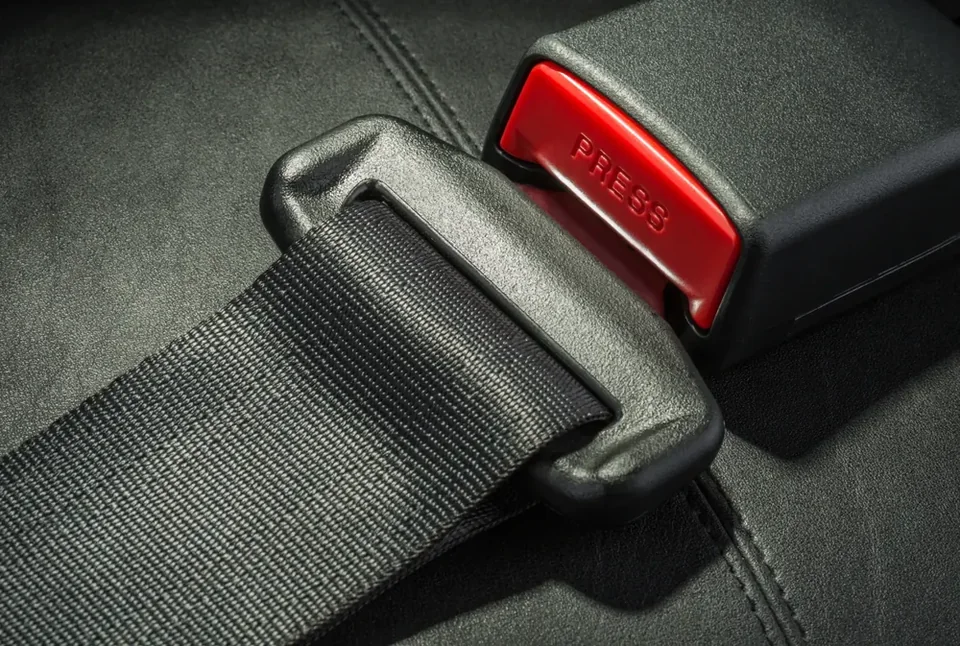
Retractable Seat Belts
Self-retracting assemblies that manage slack automatically, keep the webbing tensioned against the occupant and stow it out of the way when unbuckled.
View category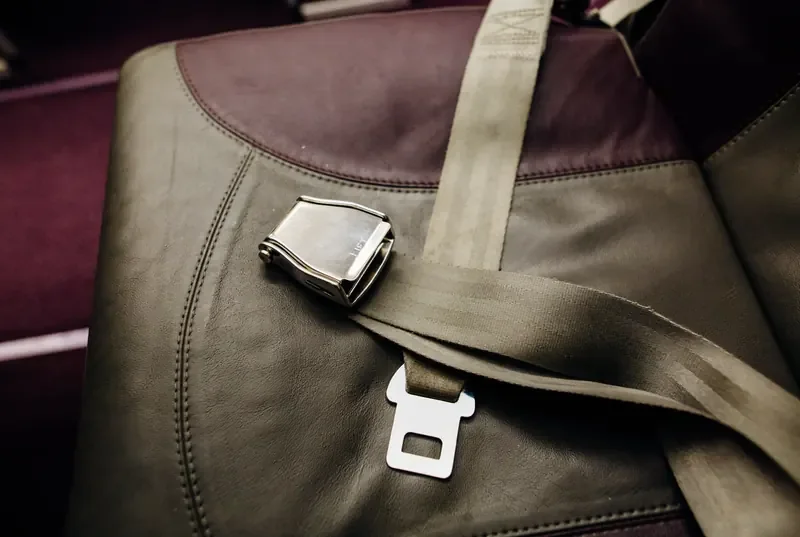
Lap (Two-Point) Seat Belts
Two-point belts restraining across the pelvis alone. Still specified where a shoulder anchorage is not available or not appropriate to the seat design.
View category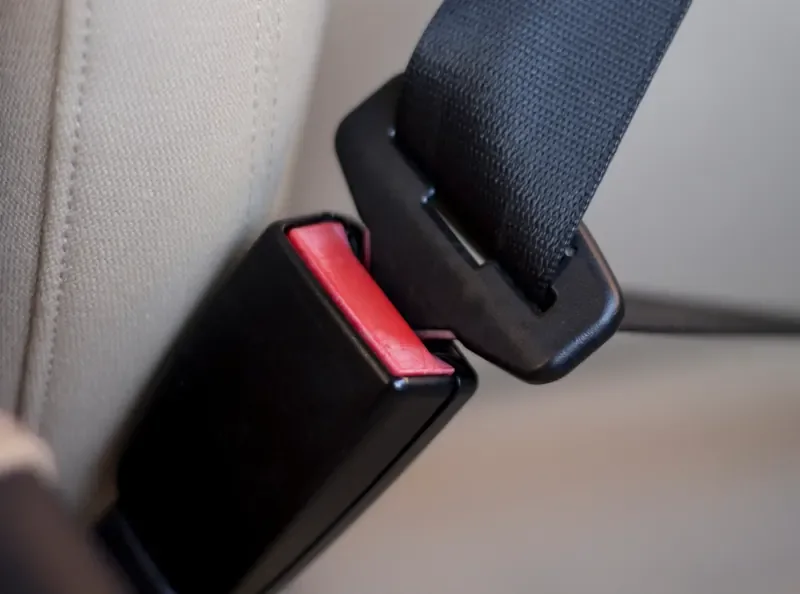
Seat Belt Buckles & Receivers
The engagement half of the restraint: buckle stalks, receivers and latch plates. Frequently the component that fails while the webbing is still in good condition.
View category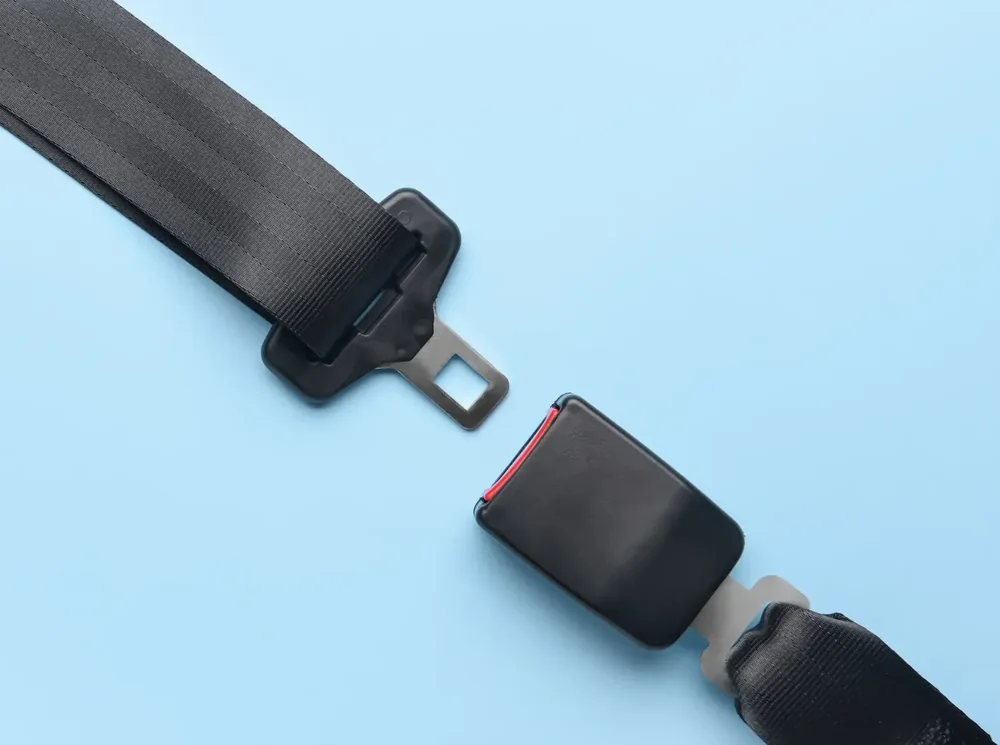
Replacement Seat Belt Assemblies
Complete matched assemblies supplied as a set rather than as loose parts, for belts that are worn, frayed, slow to retract or no longer latching reliably.
View category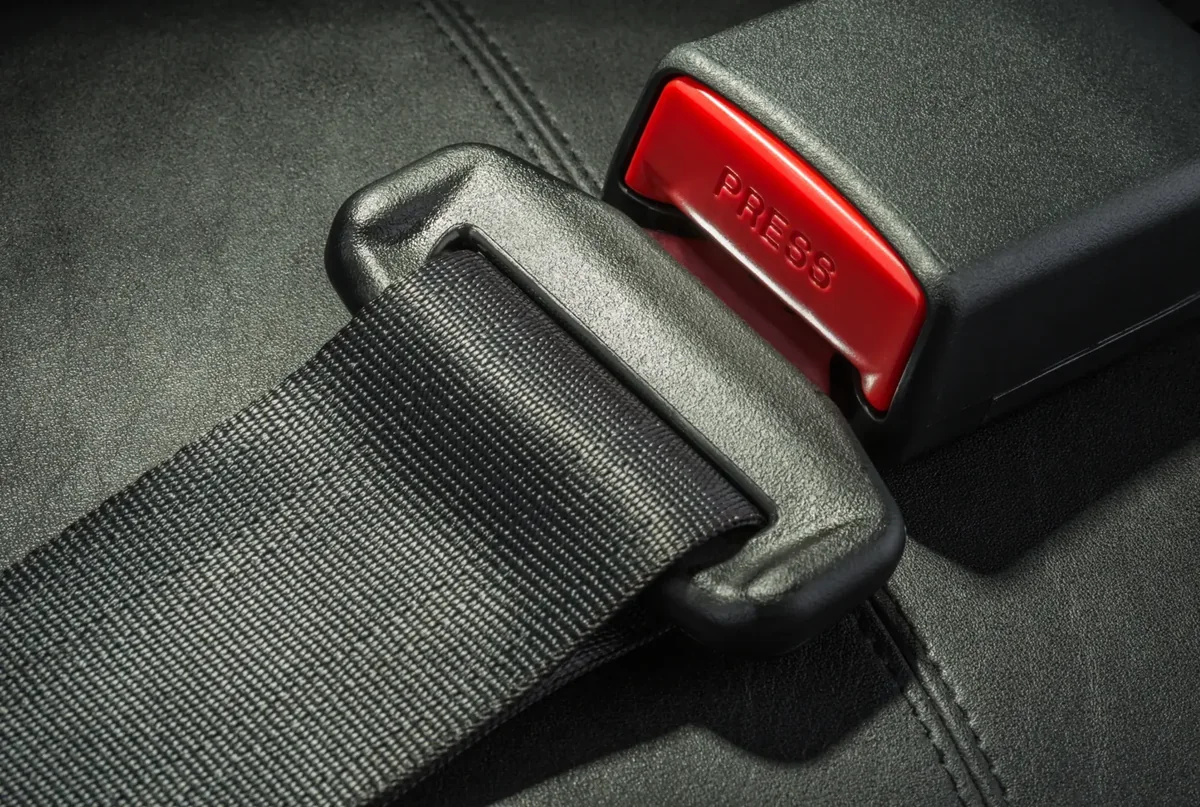
Seat Belt Components & Accessories
Webbing, latch plates, anchor hardware, trim and supporting items — useful when only part of a restraint needs replacing rather than the whole assembly.
View categoryAt a glance
Typical applications and what decides selection
A quick reference across the six categories. The detail pages expand on each of these, and none of it replaces confirming fitment against the actual vehicle.
| Category | Typical applications | Key selection considerations |
|---|---|---|
| Three-Point Seat Belts | Front and outboard rear seating in passenger cars, vans, SUVs and most commercial vehicle cabs. | Anchorage geometry, webbing length, latch plate profile, retractor mounting position. |
| Retractable Seat Belts | Any position where the belt must adjust to the occupant and retract cleanly when released. | Retractor type and locking behaviour, mounting orientation, spool travel, webbing length. |
| Lap (Two-Point) Seat Belts | Centre-rear positions, bench seating, and industrial, utility and specialty seats. | Static or retractable, overall length and adjustment range, buckle style, anchor hardware. |
| Seat Belt Buckles & Receivers | Replacement where the buckle no longer latches positively or releases cleanly. | Tongue and receiver compatibility, stalk length and type, mounting arrangement, wiring where a buckle switch is fitted. |
| Replacement Seat Belt Assemblies | Aftermarket and workshop replacement across passenger, commercial and fleet vehicles. | Vehicle and seat position, whether the existing installation is original, condition of the anchorage points. |
| Seat Belt Components & Accessories | Partial replacement, refurbishment work and builds where individual components are specified. | Compatibility with the components staying in service, hardware thread and size, webbing width. |
Scroll the table horizontally on smaller screens
Before you enquire
What to send with a product enquiry
None of this is mandatory. All of it shortens the conversation, and the first three items resolve most enquiries on their own.
- Vehicle make, model and year. Where you have it, the variant or body type as well — particularly on commercial vehicles, where the body builder often matters more than the chassis manufacturer.
- Seat position. Driver, front passenger, second row outboard, second row centre, third row. Positions within the same vehicle routinely use different assemblies.
- Photographs. The belt at rest, the buckle and latch plate, the upper and lower anchorage points, and any labels or part numbers stamped into the hardware.
- Measurements. Webbing width, approximate extended webbing length, and buckle stalk length. Rough figures are still useful.
- What is wrong. Frayed webbing, a retractor that will not pull back, a buckle that will not latch, or a belt missing entirely — the symptom often points to whether you need a component or a full assembly.
- Quantity and timing. One unit or many, one-off or recurring, and when you need it.
Enquiries
Not sure which category you need?
Describe the vehicle and what the belt is doing wrong. Identifying the right category is part of the job, not something you have to arrive with.
Share the vehicle, the seat position and the belt configuration you are replacing or specifying, and we will come back with the options that fit.