Overview
How this category works
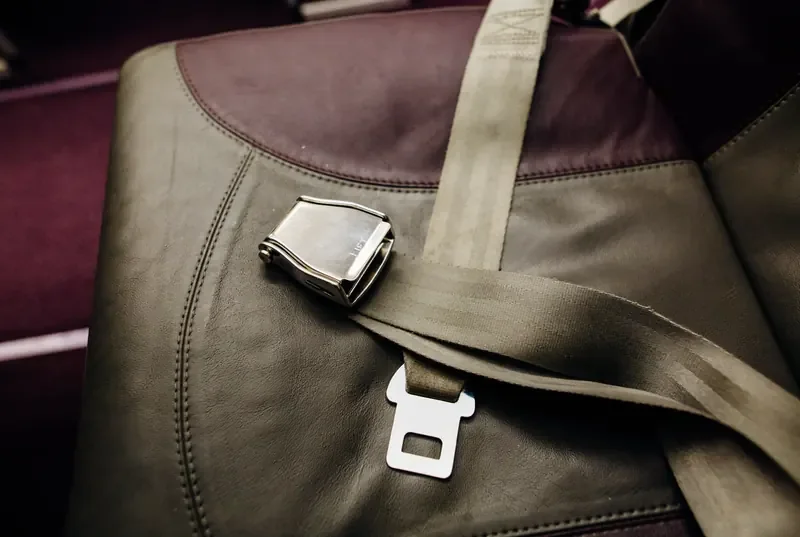
A lap belt anchors at two points, one on each side of the seat, and restrains across the pelvis. There is no diagonal section and no upper anchorage, which makes it structurally much simpler to install — the reason it persists in applications where running a shoulder anchorage is impractical.
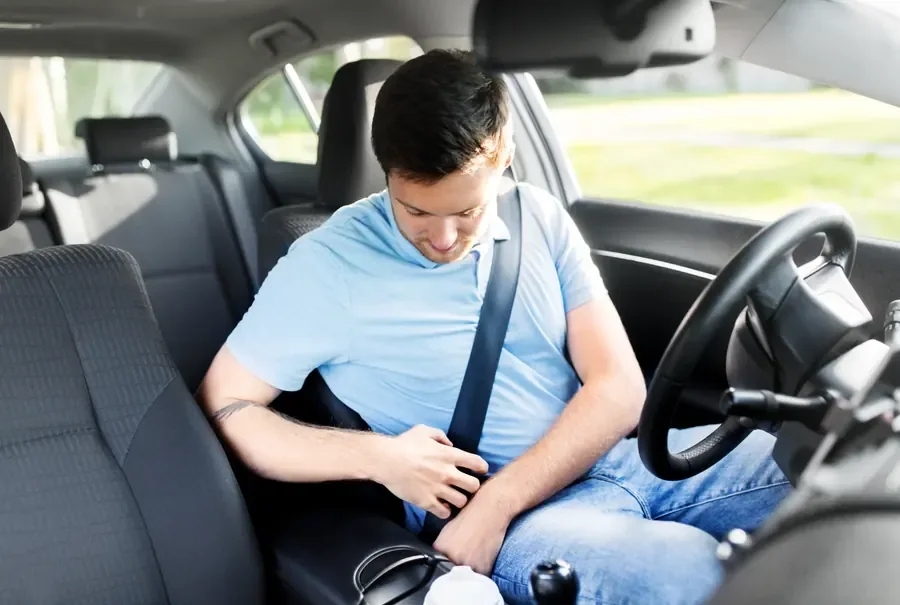
The most familiar automotive use is the centre-rear position, where there is often no pillar or structure behind the occupant to carry an upper anchorage. Beyond passenger cars, lap belts remain common in bench seating, in utility and industrial vehicle seats, and in specialty applications where the seat is not positioned against vehicle structure at all.
Lap belts come in static and retractable forms. A static belt is adjusted by hand through a slider and stays where it is set. A retractable lap belt takes up slack automatically and behaves much like the lap section of a three-point assembly. Which one is appropriate depends on the seat and the application, and swapping one for the other changes both the mounting requirement and how the belt behaves.
It is worth being straightforward about the trade-off: a lap belt restrains the pelvis but does nothing for the upper body. Where a three-point arrangement is available and appropriate for the seating position, it is the more capable restraint. A lap belt is the right answer where the installation genuinely cannot support a third anchorage — not a convenient substitute for one.
Typical applications
Where this category is used
-
Centre-rear seating positions
Where no structure exists behind the occupant to carry an upper anchorage, a lap belt is frequently the specified fitment.
-
Bench and multi-occupant seating
Bench seats in vans, crew cabs and utility vehicles commonly use lap belts at intermediate positions.
-
Industrial and plant vehicle seats
Operator seats on industrial and site vehicles, where the seat is often mounted on a suspension base with no surrounding structure.
-
Specialty and converted seating
Added or relocated seating in converted vehicles, where anchorage options are limited by what the conversion can support.
Selection
What decides which one you need
Work through these before ordering. Where you cannot answer one of them, that is exactly the sort of thing to put in an enquiry rather than to estimate.
| Consideration | Why it matters |
|---|---|
| Static or retractable | Determines the mounting requirement, the adjustment method and how the belt behaves for the occupant. Establish which is currently fitted. |
| Overall length and adjustment range | Must suit the seat width and the expected range of occupants. Industrial applications often need more range than an automotive seat. |
| Anchor hardware specification | Bolt thread, diameter and length, plus any spacers or angled brackets the mounting points require. |
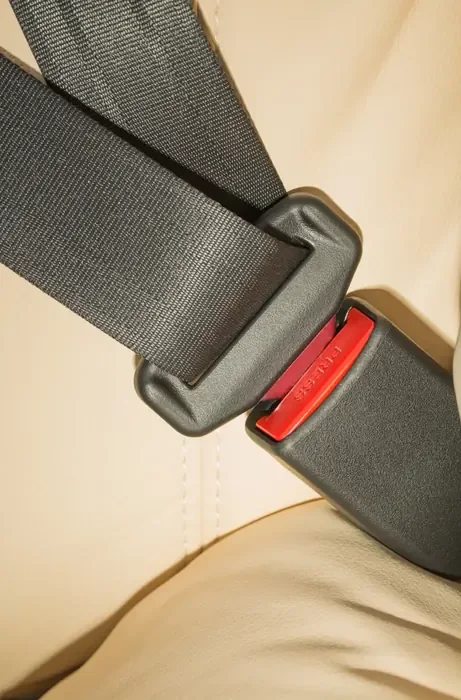
| Buckle style | Push-button, lift-lever or industrial-pattern buckles. Choice affects ease of release, which matters in operator seating. |
| Mounting angle | The angle at which webbing leaves each anchorage affects how the belt sits and whether it stays correctly positioned in use. |
| Environment and duty cycle | Industrial and outdoor applications see dust, grit, moisture and UV exposure that a passenger car interior does not. |
Questions
About lap (two-point) seat belts
More questions covering replacement, fitment and bulk supply are answered on the FAQs page.
A lap belt restrains the pelvis and does not restrain the upper body. Where the seating position can properly support a three-point arrangement, that is the more capable restraint. Lap belts remain appropriate where an upper anchorage is genuinely unavailable, and whether that applies to your vehicle is a question for a qualified automotive technician.
Yes — industrial, utility and specialty seat applications are a normal part of this category. Send details of the seat, the mounting points available and the operating environment, and we will work from there.
It depends on the seat width, the mounting point positions and the range of occupants. Measure the existing belt fully extended if you can, and give us the distance between the two anchorage points. Rough measurements are still worth sending.
Related categories
Often looked at alongside this
Three-Point Seat Belts
A diagonal shoulder section and a lap section anchored at three points — the standard occupant restraint in modern passenger vehicles, and the category we are asked for most often.
ViewRetractable Seat Belts
Self-retracting assemblies that manage slack automatically, hold the webbing against the occupant in normal driving, and stow it out of the way when unbuckled.
ViewSeat Belt Buckles & Receivers
The engagement half of the restraint — buckle stalks, receivers and latch plates. Frequently the part that fails while the webbing is still in perfectly good condition.
ViewEnquiries
Tell us the vehicle and the seat position
Send the make, model, year and position, plus photographs of the existing installation. That is normally enough for us to identify what you need or tell you what else to check.
Share the vehicle, the seat position and the belt configuration you are replacing or specifying, and we will come back with the options that fit.