01
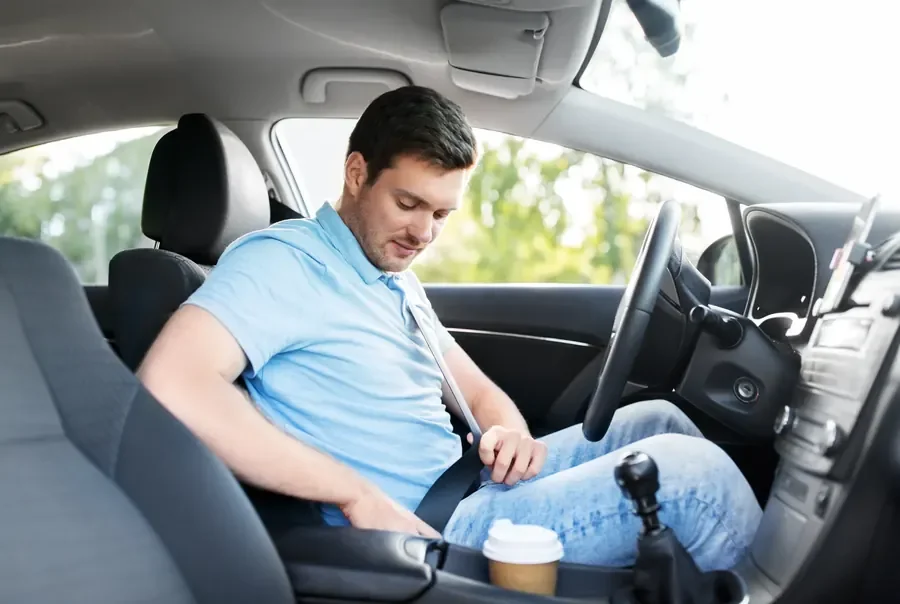
Passenger vehicles
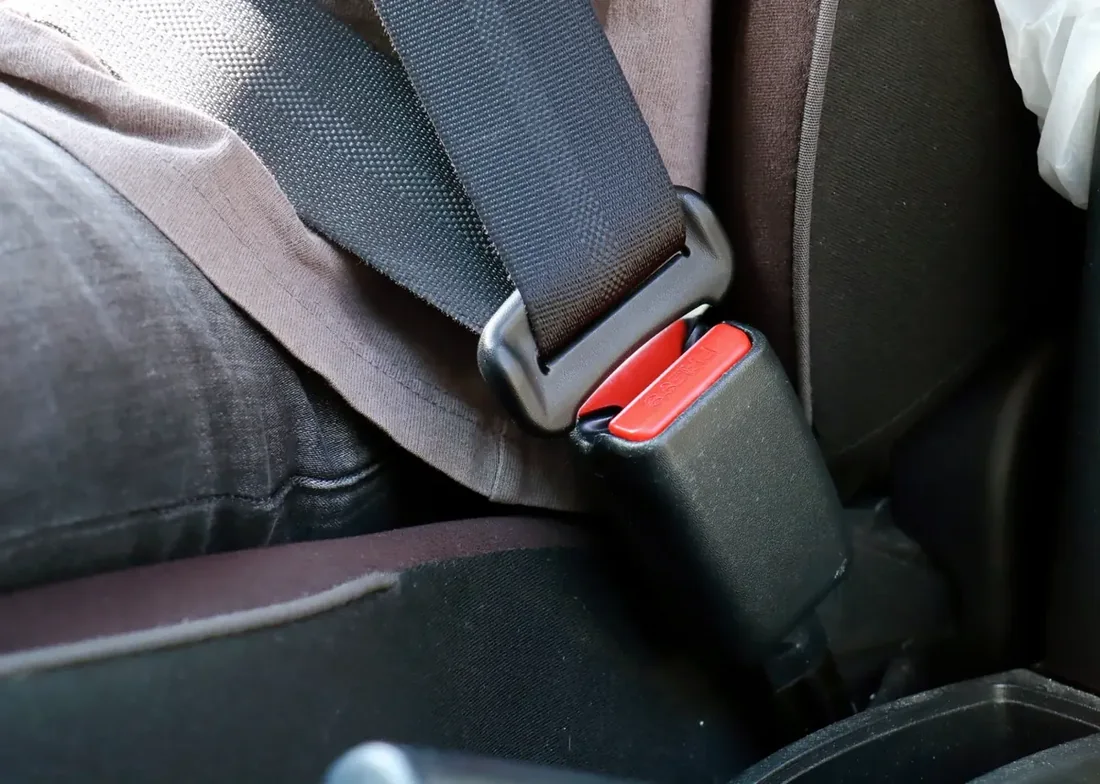
Private cars and family vehicles, where three-point retractable belts are the standard fitment and replacement usually follows wear, damage or age.
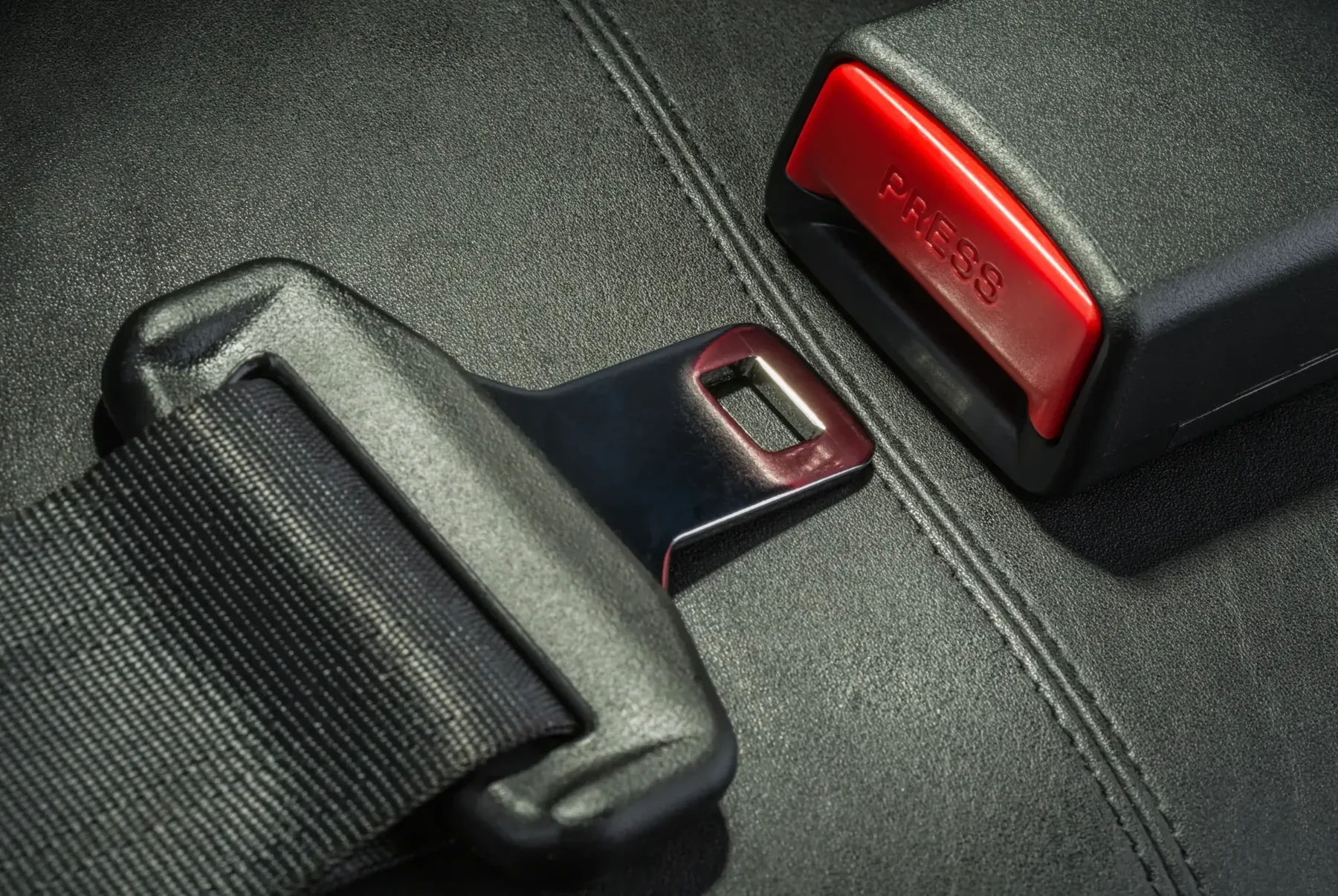
Automotive restraint systems
We supply seat belts, restraint assemblies and seat belt components to workshops, fleet operators, body builders and resellers — matched to the vehicle, the seat position and the configuration you actually need.
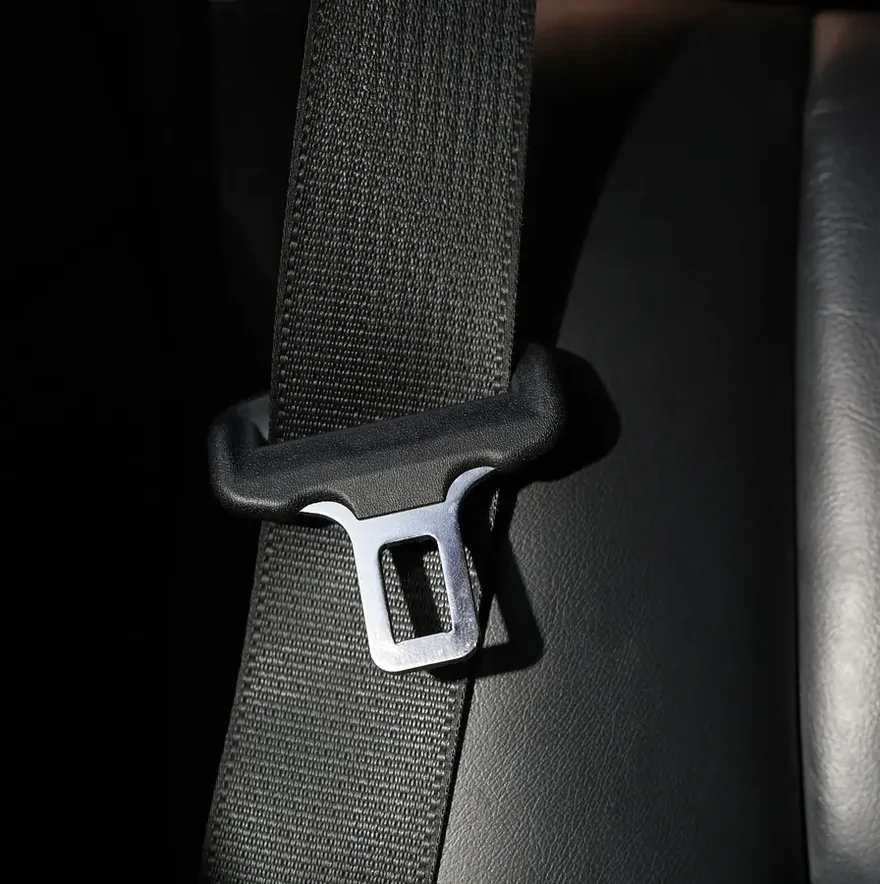
01 — Who we are
Seat Belt Distributor is a supply and distribution business focused on automotive seat belts and vehicle restraint components. Rather than carrying a broad catalogue of unrelated automotive parts, we work within a single product family and go deep on it: the belts themselves, the retractors that manage them, the buckles and receivers that engage them, and the hardware that anchors the whole assembly to the vehicle.
That focus matters because seat belts are unusually unforgiving of approximation. Two assemblies can share a webbing width, a colour and a general shape while differing in stalk length, latch plate profile, anchor bolt thread, retractor behaviour and the geometry of their mounting points. A part that bolts in is not necessarily the right part. Most of the value we add sits in the conversation before an order is placed — establishing what the vehicle actually needs before anything is sourced.
We supply individual buyers replacing a single worn belt, independent workshops handling routine repair work, body builders and vehicle converters specifying restraints for a build, and fleet operators who need consistency across many vehicles. The scale changes; the approach does not.
01
Seat belts and restraint components are the whole catalogue, not a line item within a wider parts business.
02
Every enquiry starts with the vehicle, the seat position and the configuration — not with a part number in isolation.
03
Single replacements through to repeat bulk requirements, handled through the same direct point of contact.
02 — Product categories
Six categories that between them cover the majority of ordinary seat belt requirements. Each one has its own selection considerations, and each has a dedicated page setting them out.
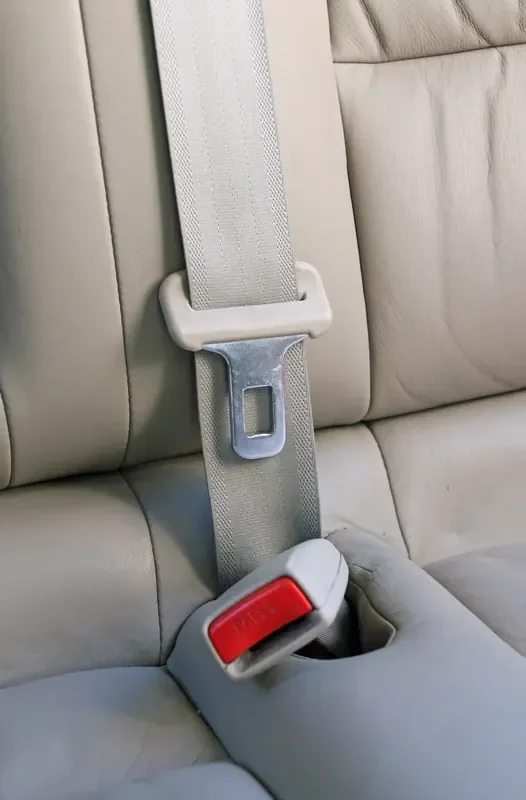
The standard occupant restraint in modern passenger vehicles: a diagonal shoulder section and a lap section anchored at three points, distributing load across the chest and pelvis.
View category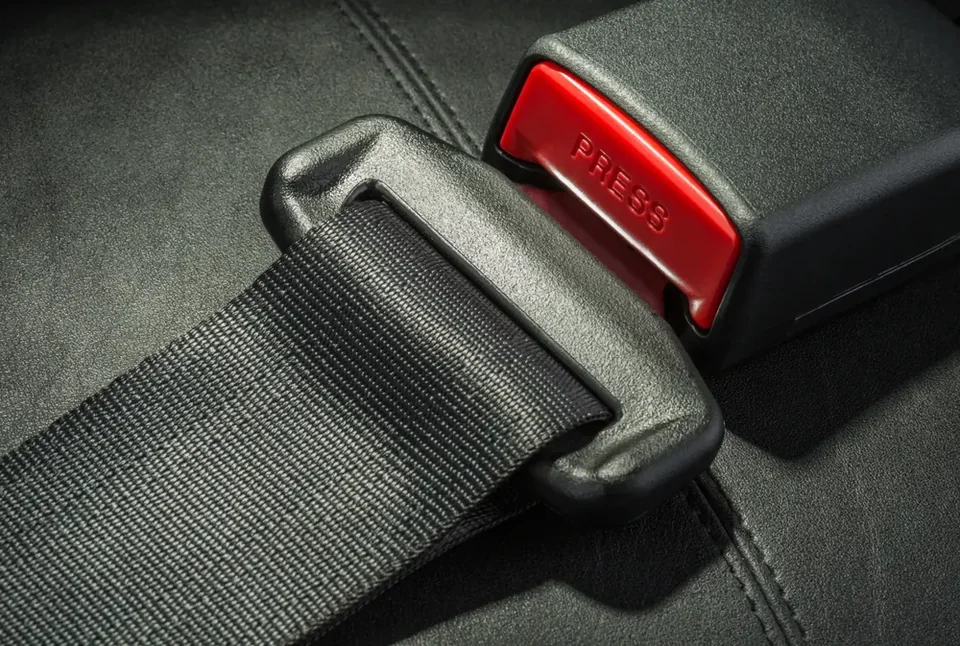
Self-retracting assemblies that keep the webbing tensioned against the occupant and stow it neatly when unbuckled. Supplied for front and rear seating positions across a range of vehicle types.
View category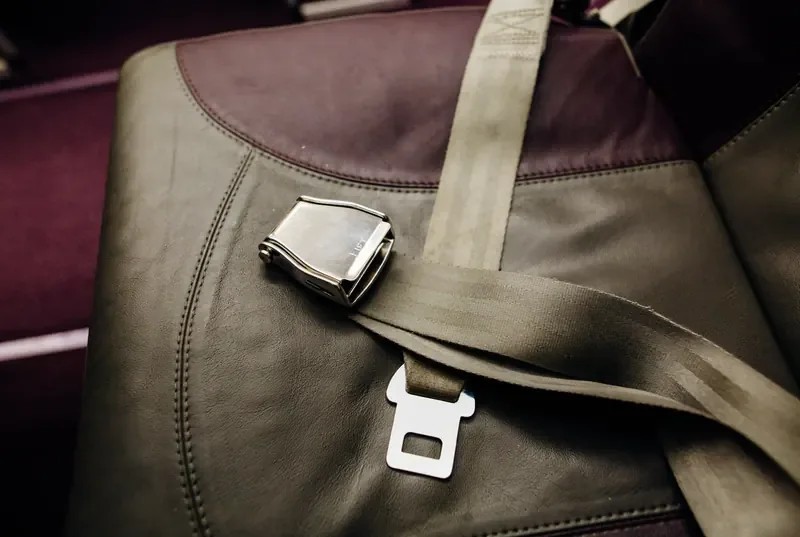
Two-point belts for centre-rear positions, bench seating, and the many industrial, utility and specialty seats where a lap restraint is the specified configuration.
View category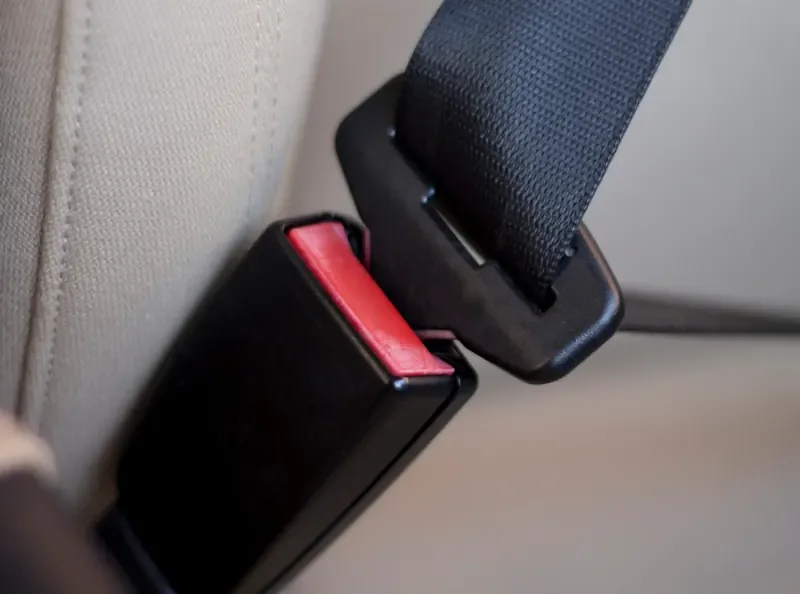
Buckle stalks, receivers and latch plates — the engagement half of the restraint. Sourced to match tongue geometry, stalk length and mounting arrangement rather than by appearance alone.
View category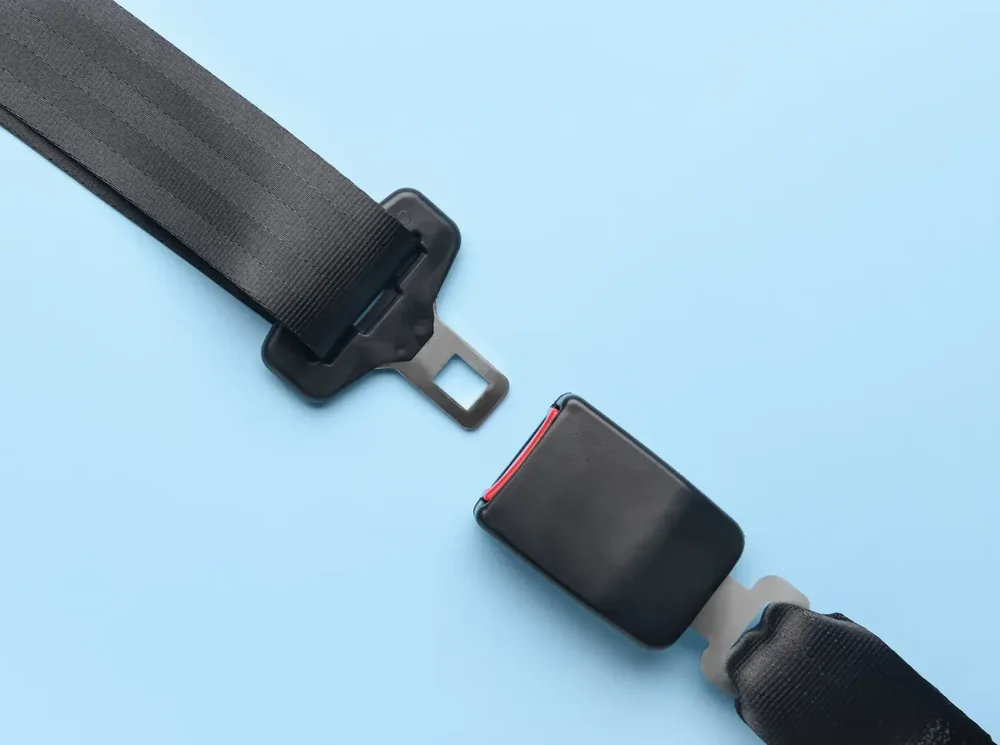
Complete assemblies for belts that are worn, frayed, slow to retract, or no longer latching cleanly — supplied as a matched set rather than as loose parts.
View category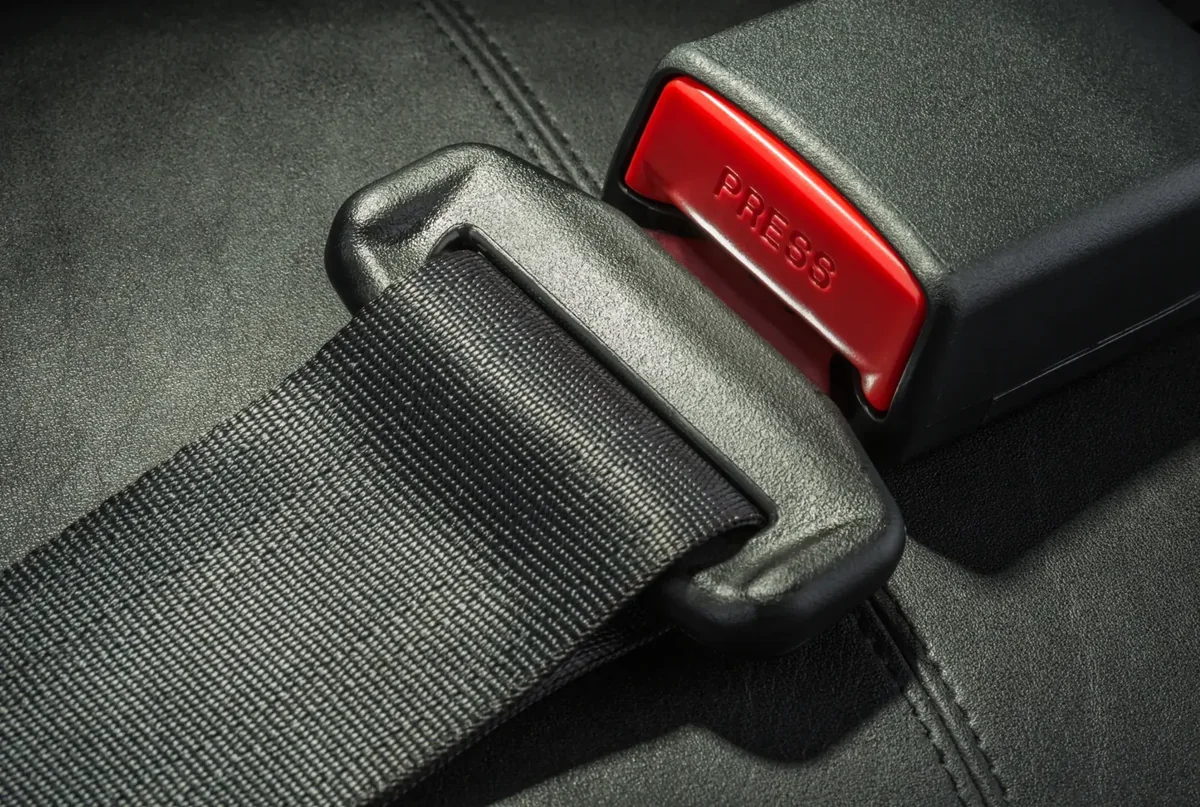
Webbing, latch plates, anchor hardware, trim and the supporting items that make up a full installation — useful when only part of the restraint needs replacing.
View category
Occupant restraint in normal use
03 — Why the component matters
A seat belt is not a single part. It is a chain of components that has to behave predictably together, and a weakness anywhere in that chain undermines everything else.
04 — Applications
The same six categories serve very different operating conditions. Duty cycle, occupant turnover and the environment a belt lives in all change what matters when specifying it.
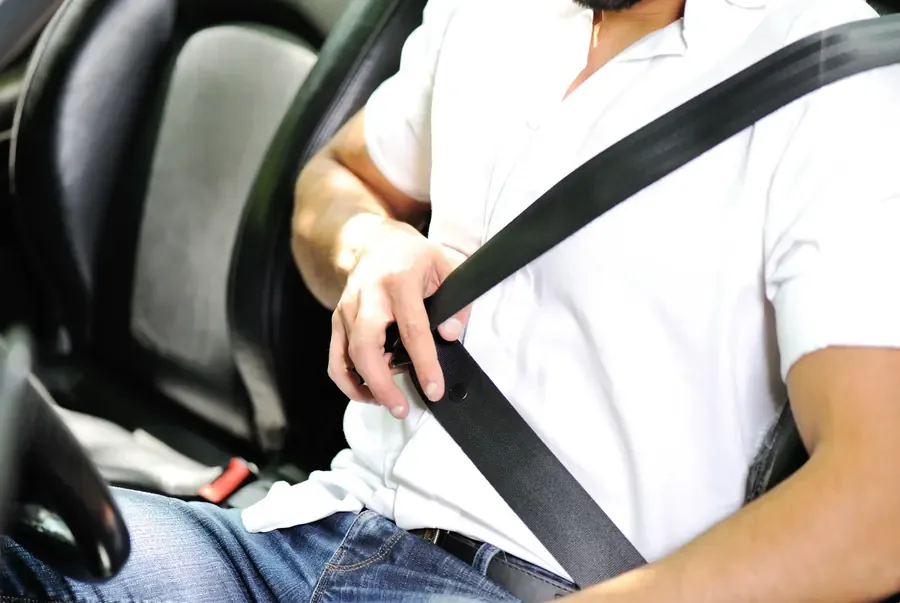
Private cars and family vehicles, where three-point retractable belts are the standard fitment and replacement usually follows wear, damage or age.
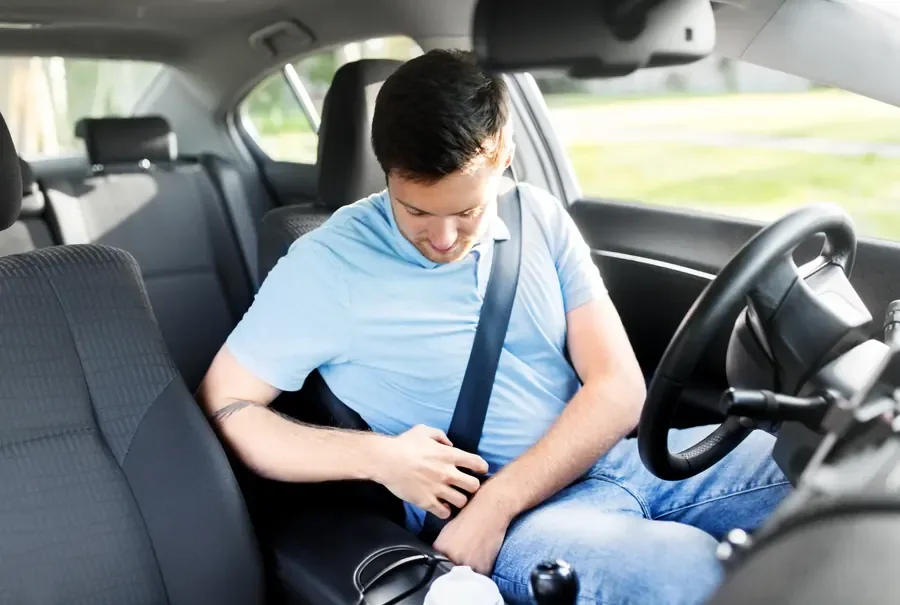
Goods vehicles, vans and cab-based applications with long duty cycles, where belts see far heavier daily use than a private car.
Multi-vehicle operations where consistency matters — the same specification across a batch keeps maintenance predictable.
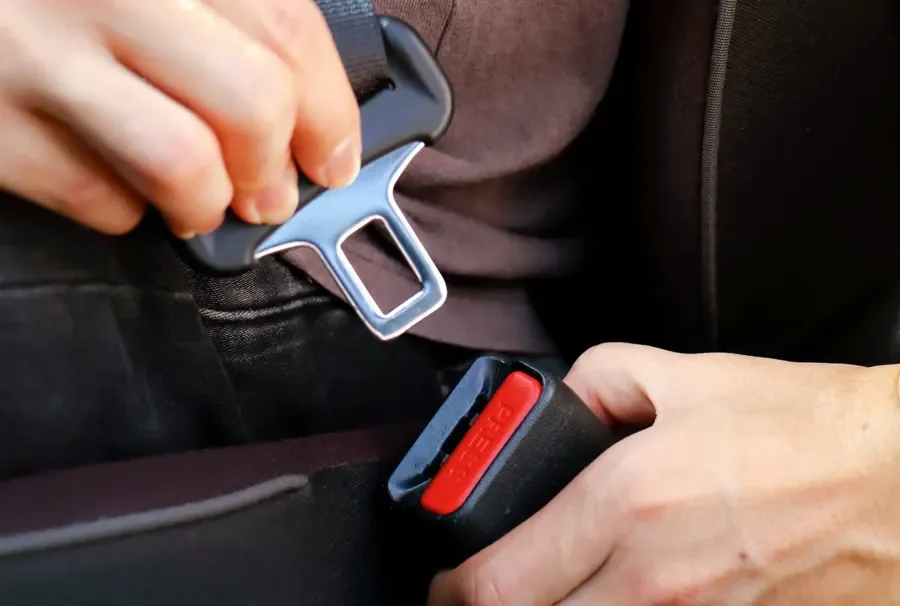
Workshop and aftermarket replacement work, where the task is matching a new assembly to an existing vehicle and its anchorage points.
Scroll for more applications
05 — B2B & bulk supply
Supplying one belt and supplying two hundred are different problems. Volume work brings in specification consistency, batch matching, lead time and the reality that a fleet rarely runs a single vehicle variant.
| Information | Why it changes the answer |
|---|---|
| Vehicle make, model and year range | Determines anchorage geometry, webbing length and buckle type. A single model year change can alter the part. |
| Seat positions required | Driver, front passenger, outboard rear and centre rear positions frequently use different assemblies within the same vehicle. |
| Belt configuration | Three-point or lap; retractable or static. This defines the product family before anything else is considered. |
| Complete assembly or component | Whether you need the full restraint, or only a retractor, buckle stalk, latch plate or piece of hardware. |
| Quantity and delivery timing | Affects sourcing route and how a batch can be kept consistent across the whole order. |
| Whether the fleet is mixed | Mixed fleets usually need to be broken into groups rather than treated as one line item. |
06 — How an enquiry works
Nothing here is complicated, but doing it in order avoids the two failure modes we see most often: ordering a part that looks right, and ordering a part that fits the anchorage but not the vehicle.
Make, model, year and — where you have it — the variant. Photographs of the existing belt, its anchorages and any stamped part numbers save a great deal of back-and-forth.
Seat position, three-point or lap, retractable or static, and whether the requirement is a complete assembly or a single component.
We work through what is available against your description and come back with what fits, what the trade-offs are, and what we still need to confirm.
Once the specification is agreed, we handle supply. For bulk orders we keep the specification consistent across the batch and stay reachable afterwards.
07 — Technical & safety considerations
Where the belt mounts, at what angle, and with what hardware. Anchorage positions are designed around a specific seat and body structure. Bolt thread and size, the presence of a shoulder-height adjuster, and whether the retractor mounts to the pillar, the seat frame or the floor all form part of the specification.
Webbing width is broadly standardised across passenger applications, but length is not. A belt that is too short will not reach comfortably around a larger occupant or across a wider seat; one that is too long leaves excess webbing that the retractor may not manage cleanly.
Whether the assembly uses an emergency locking retractor, an automatic locking mode, or a static arrangement changes how it behaves in daily use — and changes which applications it suits. Child restraint installation in particular depends on retractor behaviour.
The tongue and the receiver are a matched pair. Profile, thickness and the internal latch mechanism all have to agree. Mixing halves from different assemblies is a common and genuinely dangerous shortcut.
Belts in commercial and industrial vehicles face dust, grit, moisture, UV exposure and far higher cycle counts than those in a private car. That does not change the product family, but it does change inspection frequency and realistic service life.
When replacing a belt, the mounting points, bolts and surrounding trim matter as much as the assembly itself. Corroded or elongated anchorage points need addressing before a new belt goes in.
08 — Why Seat Belt Distributor
We would rather ask two more questions than send the wrong part.
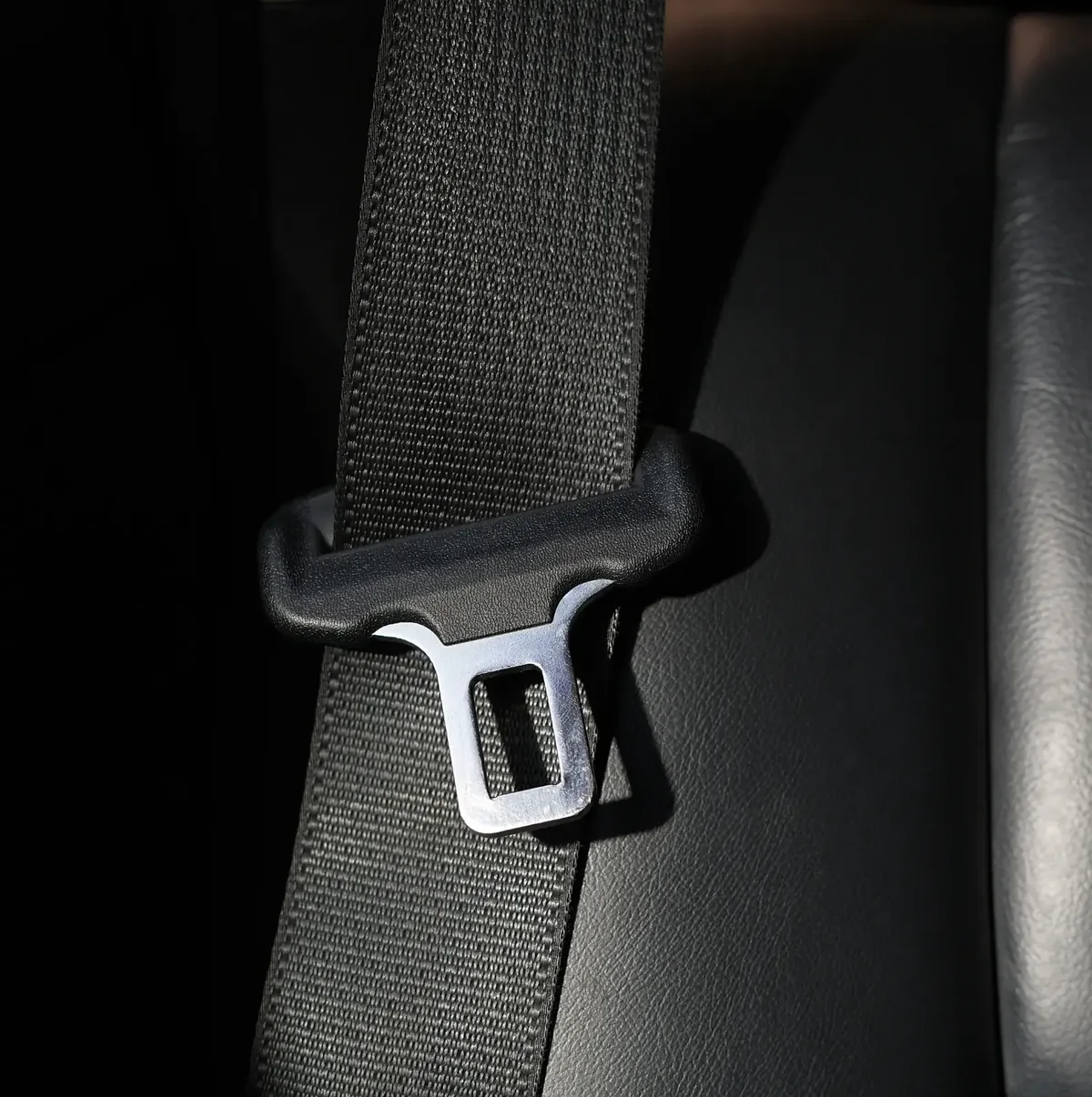
Seat belts and restraint components are what we do. That focus is what lets us ask useful questions instead of generic ones, and it is why an unusual configuration is more likely to be recognised than dismissed.
If you are not certain what you need, that is the normal starting point rather than a problem. Send photographs, measurements and whatever part markings you can find, and we will work through the options with you.
A single replacement belt for one vehicle and a repeat requirement across a fleet both get a proper answer. The scale of the order changes the logistics, not the level of attention.
Where fitment, compliance or suitability for a specific application needs to be verified against the vehicle or by a qualified technician, we will say so rather than assert something we cannot stand behind.
Enquiries go to a person, not a queue. You can call or email directly and continue the same conversation rather than restarting it.
Plain answers about what fits, what does not, and what still needs checking — without marketing language standing in for information.
09 — Frequently asked
A fuller set of answers, including replacement, fitment and bulk-supply questions, is on the FAQs page.
Our catalogue is organised around the configurations used across ordinary vehicle fleets: three-point belts, retractable assemblies, two-point lap belts, buckles and receivers, complete replacement assemblies, and the components that support them. If you tell us the vehicle, the seat position and the belt configuration currently fitted, we can work from there.
Yes. Bulk and repeat-requirement enquiries from workshops, fleet operators, body builders and resellers are a core part of what we do. Quantity, delivery timing and the consistency of specification across a batch all affect sourcing, so the more detail you can share at the enquiry stage, the more accurate our response will be.
The vehicle make, model and year; the seat position (driver, front passenger, second row, centre rear); the belt configuration (three-point, lap, retractable or static); and whether you need a complete assembly or a single component. Photographs of the existing belt, its anchorage points and any part numbers stamped on the hardware are extremely useful.
That is a normal part of the enquiry process. Seat belts vary by anchorage geometry, stalk length, webbing length, latch plate profile and retractor behaviour, and two belts that look alike can be entirely different parts. Send us what you have — photographs and measurements included — and we will work through it with you rather than guessing.
To a large extent, yes. Mounting points, bolt sizes, webbing lengths and buckle geometry are designed around a particular vehicle and seat. A belt that physically bolts in is not automatically the correct belt for that application, which is why fitment should always be confirmed against the vehicle before installation rather than after.
Enquiries
Whether it is one replacement belt or a repeat requirement across a fleet, the fastest route to an accurate answer is a short description of the vehicle and the configuration you need.
Share the vehicle, the seat position and the belt configuration you are replacing or specifying, and we will come back with the options that fit.